

International recruitment is much more than just finding the right candidate. It is a journey through different cultures, values, and experiences worldwide. Over the years, we have had the privilege of interviewing people from various countries—each with a unique story, ambitions, and perspective on work and life.
This experience has given us not only practical knowledge on how to successfully find and attract talent but also a deeper understanding of how cultural differences can become an advantage within a team.
We have also worked with candidate relocation. One of the most exciting parts of this process is understanding what is important to the candidate, how they envision life in Latvia, and how we can help them feel at home here.
Why International Recruitment Matters
The global job market offers a wider pool of talent, enabling businesses to find the best specialists, regardless of location. By broadening their search beyond local talent pools, companies increase their chances of finding highly skilled professionals who can bring new perspectives, fresh ideas, and valuable experience to the team. However, international hiring is not just about relocation—it’s about integration. Companies must ensure their teams are prepared to welcome foreign employees and support their adaptation, fostering an inclusive work environment.
Some key benefits of international recruitment include:
- Access to a larger talent pool – Employers are no longer restricted by geographical boundaries when seeking highly qualified professionals.
- Diverse perspectives and innovation – A multicultural workforce encourages creativity, problem-solving, and knowledge-sharing.
- Stronger employer branding – Companies that embrace global hiring demonstrate their commitment to diversity and inclusion, making them more attractive to top talent worldwide.
The Impact of Cultural Diversity
Cultural diversity in the workplace fosters fresh perspectives, new ideas, and improved problem-solving. Different viewpoints help teams approach challenges from multiple angles, leading to innovative solutions. However, cultural differences can also present challenges, such as language barriers, differing work styles, and varying expectations regarding leadership and communication.
A significant challenge for many expatriates is cultural adaptation. Studies show that 42% of expatriates struggle with adapting to local customs, which can affect productivity and job satisfaction (Expatica). Another study found that 81% of HR and mobility managers said their first-time assignees found cultural adaptation challenging, and this drops to 62% for those managing expats on subsequent assignments (Crown).
To support cultural integration, companies should:
- Provide cultural training and language support for both international hires and existing employees.
- Encourage open communication and cross-cultural awareness initiatives.
- Foster a welcoming and inclusive workplace culture that values diversity.
Key Steps in Global Talent Acquisition
Sourcing the Right Candidates
- Utilize global job platforms like LinkedIn and Indeed.
- Partner with international recruitment agencies that specialize in cross-border hiring.
- Engage with specialized platforms for niche industries, ensuring access to highly qualified professionals.
The Interview Process
- Acknowledge cultural nuances that influence candidate responses.
- Adapt interview techniques to accommodate different communication styles and expectations.
- Look for adaptability and motivation beyond technical skills, as these qualities are essential for successful relocation.
Relocation Planning
- Assist with visas and work permits to ensure a smooth legal transition.
- Provide practical support, such as helping employees find housing, setting up bank accounts, and understanding local regulations.
- Ensure clear communication and a welcoming environment to help employees integrate into their new workplace and community.
Overcoming Relocation Challenges
Moving to a new country involves more than just logistics; it’s an emotional and psychological adjustment. Employees relocating for work may face stress, uncertainty, and even culture shock, which can impact their productivity and well-being. Companies must provide structured support to ease this transition.
Some effective strategies for overcoming relocation challenges include:
- Offering mentoring programs – Assigning a mentor or buddy can help expatriates navigate their new work environment and local culture.
- Providing financial assistance – Helping with initial relocation expenses, such as housing deposits and travel costs, can reduce financial strain on new hires.
- Ensuring regular communication – Checking in with relocated employees regularly allows companies to address concerns, provide support, and foster a sense of belonging.
Success Stories & Business Growth
Companies that embrace international hiring benefit from fresh perspectives, cultural exchange, and strengthened global competitiveness. For example, one successful case involved the formation of a cybersecurity team composed of specialists from multiple countries. This diverse team brought together expertise from different backgrounds, leading to enhanced security solutions and knowledge-sharing that would not have been possible in a homogenous work environment.
Another example is the relocation of IT professionals to Latvia, where employers provided structured integration programs that included language support and community-building initiatives. As a result, these employees adapted more quickly, contributing to increased productivity and job satisfaction.
Key Takeaways
- International recruitment expands access to top talent, enabling companies to stay competitive and innovative.
- Cultural integration is essential for ensuring the long-term success of relocated employees and fostering a positive work environment.
- Companies must provide structured support, including relocation assistance, cultural training, and mentorship programs.
- Latvia, with the right approach, has significant potential to attract global professionals, strengthening its workforce and driving economic growth.
By embracing international recruitment with a thoughtful and strategic approach, businesses can thrive in an increasingly globalized world. Investing in cultural diversity and relocation support is not just beneficial for individual employees—it strengthens organizations, drives innovation, and opens new opportunities for long-term success.
Similar news
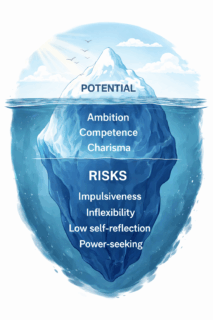
When High Potential Becomes High Risk: Identifying Derailers Early
Hiring a new team member with stellar credentials and apparent high potential is every manager’s dream. But what happens when that high potential quietly turns into high risk? In HR and organizational psychology, derailers describe personality traits or behavioral patterns that can derail one’s career in the wrong direction due to overlooked or overused traits that are overshadowed by high potential; these often surface only after hiring […]

From Traits to Competence: How Tripod Tests Strengthen Evidence-Based Talent Assessment
Modern organisations increasingly recognize that strong performance is driven not only by skills and experience but by competence—the behavioural patterns underlying how people think, interact and solve problems. Personality traits and cognitive abilities shape these behaviours, making psychological assessment a powerful tool for evidence-based HR. What Competence Really Is Competence can be understood through the […]

Self-Presentation for Different Interview Types
In today’s recruitment landscape, candidates often move through several interview formats before receiving an offer. Each format – phone, video or on-site – requires a different approach to communication, environment, and energy. While your skills stay the same, the way you present them must shift to match the setting. Understanding these nuances not only helps […]

What You Need to Know When Planning a Career in IT
In recent years, the pace of IT recruitment has slowed down. The sector has grown, but at a slower rate than before 2023, and the demand for specific specializations has shifted significantly. While there is no shortage of CVs on the job market, companies are increasingly facing not a lack of candidates, but a very […]

Pulse Survey or Organizational Survey – Which One to Choose?
In recent years, more and more companies have shown interest in employee pulse surveys – short, regular surveys designed to understand employees’ everyday experiences and attitudes. These surveys have become trendy and seemingly easy to implement. But behind this speed and convenience lies a critical question: Do pulse surveys really deliver what we expect from them? […]

Why Do We Sometimes Fail to See the Obvious? Confirmation Bias in HR Practice
Since I began working in consulting, I’ve repeatedly encountered a recurring pattern. When meeting with potential clients, I often hear things like: “I’ve been working in HR for over 10 or 20 years – I know what I’m doing. What exactly could you offer me?” Or: “I’ve taken hundreds of different tests – what could […]

From AI Adoption to AI Adaptation: The Skill Employers Are Already Hiring For in 2025
Two years ago, adding “proficient in ChatGPT” to your CV made you look innovative. Today, it’s the new “Microsoft Word.” Everyone’s using AI — what matters now is how you’re using it. In 2025, the conversation has shifted from AI adoption to AI adaptation. This isn’t about learning the tools — it’s about changing how […]

Why Hiring Salespeople Is Hard — And How We Help Companies Get It Right
At Tripod Link, we specialize in hiring top-performing salespeople — from Business Development Managers to Account Executives — because we know how hard sales recruitment really is. Whether it’s a Business Development Manager, Account Executive, or Sales Manager, the message is the same: “We need someone who can drive results — and fast.” We get […]